Timber sleeper walls
H4 treated pine or hardwood. The lowest first cost, suited to low garden and edging walls away from constant moisture.
Concrete sleeper walls
Concrete sleepers slotted between galvanised steel posts in concrete footings. The common choice for boundaries, driveways and replacements on tight sites.
Block and segmental walls
Core-filled block or interlocking segmental block, for taller walls, curves and walls that carry a load. Often engineered.
Engineered and approved walls
For walls over 1 m, within 1.5 m of a building or another wall, or with a driveway, pool, shed or house above. An RPEQ engineer designs it and a certifier approves it. Approval rules.
Replacing old walls
Removing a rotting or leaning timber or rock wall and rebuilding it, with proper drainage this time. Common across the Centenary suburbs.
Drainage behind walls
Ag pipe, free-draining gravel, geotextile and a lawful outlet. Often the real fix for walls that bow or weep after storms.
What these walls look like
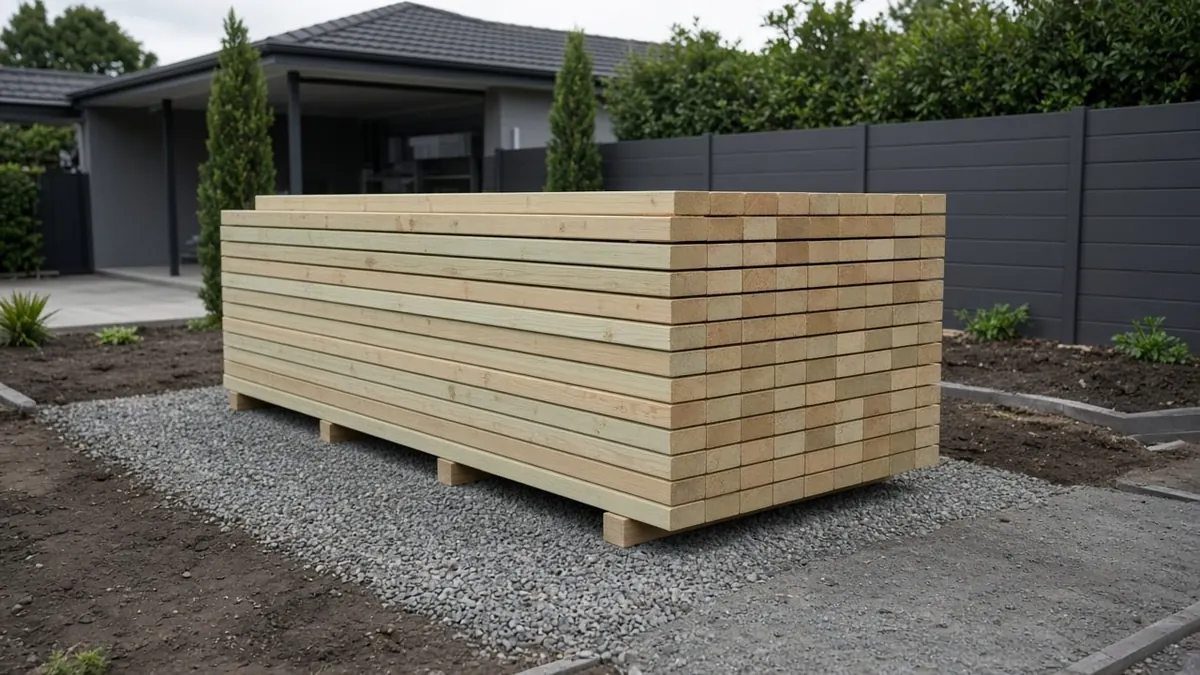
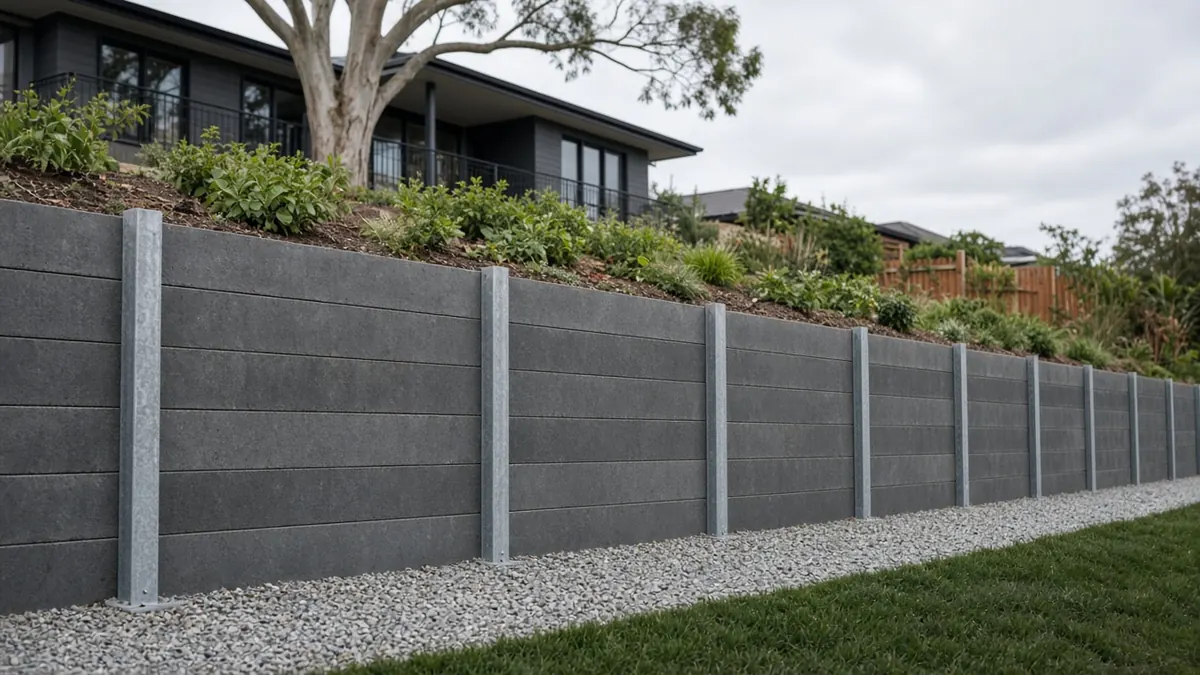
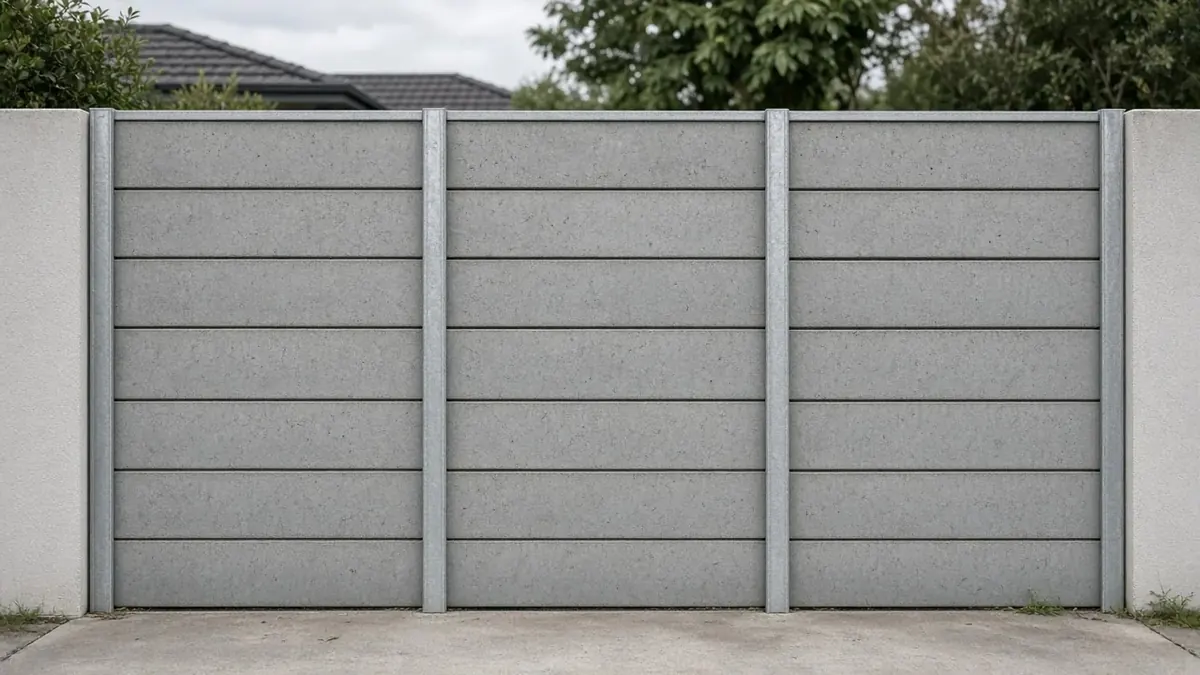
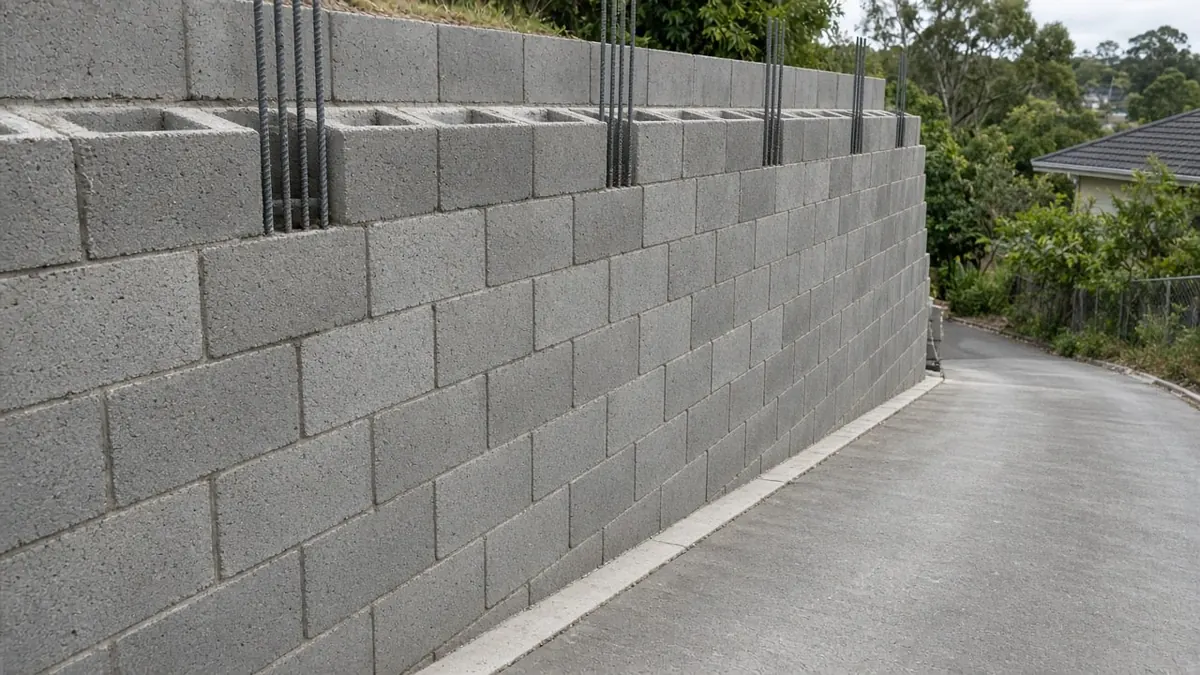
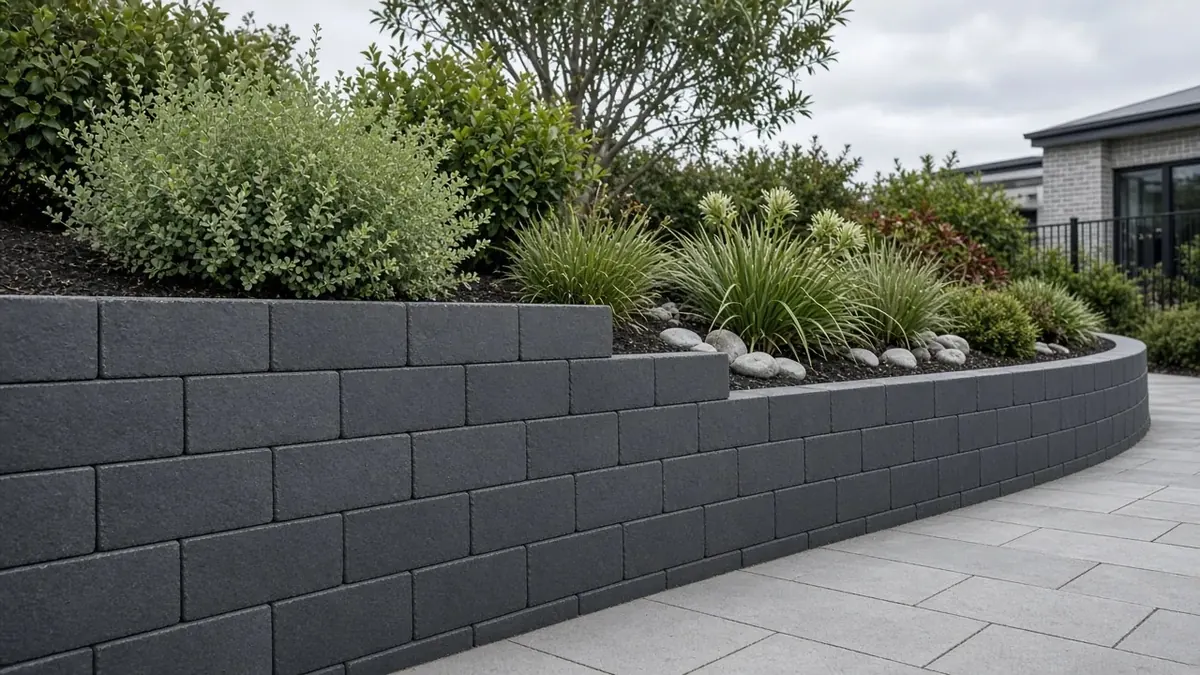
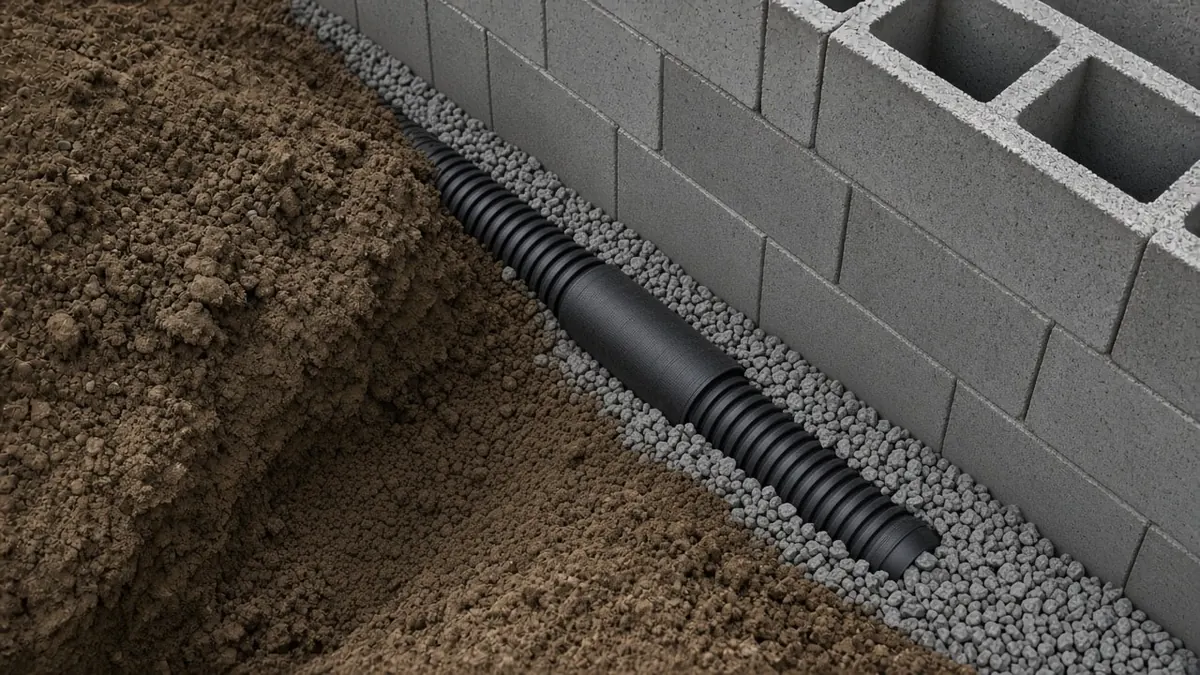
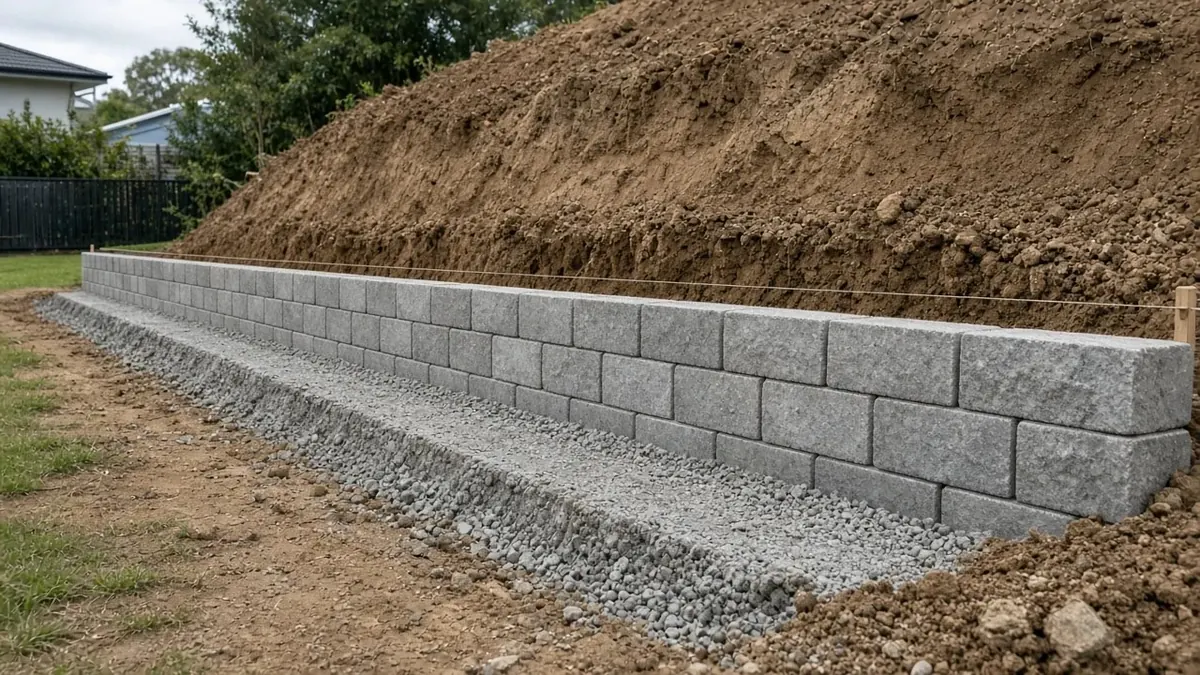
All images and videos on this site are AI-generated illustrations of typical wall types. They are not photos of jobs by the builder named on this site.
What changes the price
Most walls are priced on face area (height × length), then adjusted for access, digging and spoil removal, drainage, removing an old wall, engineering and approvals. Published South East Queensland bands for 2025–26 are in our Brisbane cost guide. A firm price should only come after someone has seen the site.
Licensing
In Queensland, building work over $3,300 (labour, materials and GST) needs a QBCC licence of the right class (QBCC). Quote requests from this site are passed to a local builder who holds the right QBCC licence class for the job.
Questions to ask any builder
How deep are the footings, and why? Where will the water go? Does my wall need engineering or approval? Is drainage itemised? What is your QBCC licence number?
Common questions
How long do timber sleeper walls last?
It depends on the timber treatment, drainage and soil. In wet clay without drainage, treated pine often fails at ground level well before concrete or block would. Ask the builder what treatment class and drainage they propose.
Does the price include drainage?
Not always. Ag pipe, gravel backfill and an outlet are structural items under Queensland's design code for retaining walls. Ask every builder to itemise them so quotes compare fairly.
Want a price for your wall?
Send the suburb, a rough length and height, and what the wall holds up. A licensed builder can then contact you to arrange a quote.